How Often Should You Schedule Professional Drain Cleaning? (It Depends on Your Home)

When it comes to home maintenance, drain cleaning is one of the most overlooked services—until a clog turns into a messy, expensive emergency. Many homeowners ask the same question: How often should I schedule professional drain cleaning?

The honest answer is: it depends on your home, your plumbing system, and how you use it.

At Good News Plumbers, we help homeowners avoid surprise backups, foul odors, and costly pipe damage by recommending drain cleaning schedules tailored to each household. In this guide, we’ll break down the factors that determine how often your drains should be professionally cleaned—and how proactive maintenance can save you time, stress, and money.


Why Professional Drain Cleaning Matters

Drains don’t clog overnight. Most blockages build slowly over months or even years as grease, soap scum, hair, food particles, and debris collect inside your pipes. Over time, this buildup restricts water flow and puts pressure on your plumbing system.

Professional drain cleaning does more than clear visible clogs. It:

  • Removes deep buildup that DIY methods can’t reach
  • Prevents recurring blockages
  • Reduces pipe corrosion and damage
  • Eliminates odor-causing bacteria
  • Extends the life of your plumbing system

Skipping regular drain cleaning may seem harmless, but waiting until there’s a full blockage often results in emergency service calls, water damage, and higher repair costs.


General Drain Cleaning Guidelines

While every home is different, here are general recommendations most plumbing professionals agree on:

  • Once per year: Preventive drain cleaning for most households
  • Every 6–9 months: Homes with higher usage or older pipes
  • Every 3–6 months: Commercial properties or homes with frequent issues

These are starting points—not one-size-fits-all rules. Let’s look at what actually determines the right schedule for your home.


Factors That Determine How Often You Need Drain Cleaning

1. Age of Your Home and Plumbing System

Older homes are far more likely to need frequent drain cleaning. If your home was built before the 1980s, your plumbing may include materials like cast iron or galvanized steel, which are prone to corrosion, scaling, and internal buildup.

Older pipes:

  • Accumulate debris faster
  • Are more vulnerable to root intrusion
  • Narrow over time due to corrosion

Recommended schedule:
✔ Every 6–9 months for older homes
✔ Annually for newer homes with modern piping


2. Number of People in the Household

More people means more water usage—and more stress on your drains.

Households with:

  • Multiple bathrooms
  • Frequent laundry loads
  • Daily dishwashing

…tend to experience faster buildup inside pipes.

Recommended schedule:
✔ 1–2 people: Once per year
✔ 3–5 people: Every 6–9 months
✔ Large families: Every 6 months


3. Kitchen Habits and Grease Disposal

Kitchen drains are among the most common problem areas. Even if you avoid pouring grease down the sink, small amounts of oil, food particles, and soap residue can coat your pipes.

Signs your kitchen drain needs more frequent cleaning:

  • Slow drainage after washing dishes
  • Greasy odors
  • Frequent clogs despite careful use

Recommended schedule:
✔ Heavy cooking households: Every 6 months
✔ Occasional cooking: Once per year

Professional drain cleaning safely removes grease buildup without damaging your pipes—unlike many chemical drain cleaners.


4. Bathroom Drain Usage

Hair, soap scum, toothpaste, and hygiene products can create stubborn blockages in bathroom drains. Over time, these materials form thick clogs that snaking alone can’t fully remove.

If you notice:

  • Slow-draining showers
  • Gurgling sounds
  • Standing water in tubs

…it’s a sign your drains need attention.

Recommended schedule:
✔ High-use bathrooms: Every 6–9 months
✔ Guest bathrooms: Annually


5. Tree Roots Near Sewer Lines

Tree root intrusion is one of the leading causes of serious drain and sewer line problems. Roots naturally seek moisture and can invade small cracks in underground pipes, causing recurring clogs and backups.

Homes with:

  • Mature trees
  • Landscaping near sewer lines
  • A history of root problems

…should schedule more frequent maintenance.

Recommended schedule:
✔ Homes with trees near sewer lines: Every 6 months
✔ No nearby trees: Annually

Professional drain cleaning combined with camera inspections can catch root issues early—before they cause pipe collapse or sewage backups.


6. History of Drain Problems

If your home has experienced repeated clogs or backups, it’s a clear sign your drains need more consistent maintenance.

Recurring issues often mean:

  • Incomplete DIY cleanings
  • Hidden buildup deep in the system
  • Structural pipe issues

Recommended schedule:
✔ Homes with past drain problems: Every 3–6 months initially
✔ Once stabilized: Transition to a preventive annual plan


Why DIY Drain Cleaning Isn’t Enough

Many homeowners rely on store-bought drain cleaners or plungers to handle slow drains. While these methods may offer temporary relief, they often leave most of the buildup behind—and can even damage your pipes.

Chemical drain cleaners:

  • Corrode pipes over time
  • Harden grease clogs
  • Pose safety risks

Professional drain cleaning uses specialized tools like hydro jetting and mechanical augers to fully clear pipes without harm.


Signs You’re Overdue for Drain Cleaning

If you’re unsure whether it’s time to schedule service, watch for these warning signs:

  • Slow drains in multiple fixtures
  • Frequent clogs
  • Foul odors coming from drains
  • Gurgling sounds
  • Water backing up into sinks, tubs, or toilets

Ignoring these signs can turn a simple maintenance visit into an emergency repair.


Benefits of Preventive Drain Cleaning

Scheduling professional drain cleaning before problems arise offers major advantages:

  • Fewer emergency plumbing calls
  • Lower repair costs
  • Improved drainage performance
  • Healthier plumbing system
  • Peace of mind

Preventive care is always more affordable—and less stressful—than reactive repairs.


How Good News Plumbers Can Help

At Good News Plumbers, we don’t believe in generic plumbing advice. We assess your home’s plumbing system, usage patterns, and history to recommend a drain cleaning schedule that actually makes sense for you.

Our professional drain cleaning services are:

  • Safe for all pipe types
  • Thorough and long-lasting
  • Designed to prevent future issues

Whether you need a one-time cleaning or a recurring maintenance plan, our team is here to keep your drains flowing smoothly year-round.


Schedule Your Professional Drain Cleaning Today

If it’s been over a year since your last drain cleaning—or you’re dealing with slow drains or recurring clogs—it’s time to take action.

Contact Good News Plumbers today to schedule professional drain cleaning and protect your home from costly plumbing problems before they start.


DIY Drain Cleaning: What You Can Safely Do (And When to Call a Pro)

DIY Drain Cleaning: What You Can Safely Do (And When to Call a Pro)

Clogged drains are one of the most common plumbing issues homeowners face in the San Gabriel Valley and Glendora, CA area. While some minor blockages can be handled with easy DIY methods, others require the expertise of a licensed professional. Knowing the difference can save you money, protect your pipes, and prevent future plumbing emergencies.

In this guide, we’ll walk you through safe, effective DIY drain-cleaning methods, along with clear signs it’s time to call the pros at Good News Plumbers.


Safe DIY Drain Cleaning Methods

1. Try Boiling Water First

For minor buildup from soap, grease, or residue, slowly pour boiling water down the drain in stages.
This method works well for bathroom sinks and tubs but may be less effective on severe clogs.

2. Use a Plunger (Correctly)

A good plunger isn’t just for toilets.
Cup-style plungers work great for sinks and tubs. Make sure to:

  • Seal the drain opening fully
  • Use strong, controlled pushes
  • Cover overflow holes with a cloth to improve suction

3. Baking Soda & Vinegar

A classic DIY solution:

  1. Pour ½ cup baking soda down the drain
  2. Add 1 cup white vinegar
  3. Let the mixture foam for 10–15 minutes
  4. Flush with hot water

This can help break up residue and eliminate odors naturally.

4. Manual Drain Snaking

A small, inexpensive handheld drain snake can remove hair, soap scum, and gunk from bathroom drains.
Avoid using force — if the snake feels stuck, stop to avoid damaging the pipe.


DIY Methods You Should Avoid

Chemical Drain Cleaners

While tempting, chemical drain cleaners can:

  • Eat away at older pipes
  • Damage PVC
  • Kill beneficial bacteria in septic systems
  • Create hazardous fumes

Most professional plumbers — including our team — recommend skipping them entirely.

Disassembling Pipes Without Experience

Improper disassembly can cause leaks, broken seals, or major water damage.
If the clog isn’t accessible near the drain opening, it’s time to call a professional.


When to Call a Professional Plumber

If you notice any of these signs, skip the DIY attempts and call Good News Plumbers:

  • Recurring clogs that come back within days
  • Slow drains throughout the house (may indicate a main line issue)
  • Gurgling sounds in sinks or toilets
  • Foul sewer odors
  • Water backing up into tubs, toilets, or sinks
  • Standing water that won’t drain at all

These issues may point to deeper problems such as tree root intrusion, sewer line damage, or blocked main lines — all situations that require licensed plumbers.


Why San Gabriel Valley & Glendora Homeowners Trust Good News Plumbers

At Good News Plumbers, our team is known throughout San Gabriel Valley, Glendora, and nearby communities for fast response times, honest pricing, and reliable, long-lasting solutions.
We offer:

  • Professional drain cleaning
  • Camera inspections
  • Sewer line repair
  • Hydro jetting
  • Emergency plumbing services

Learn more about our expert Drain Cleaning Services.


Preventing Future Drain Clogs

A few simple habits can help keep your drains flowing smoothly:

  • Install drain strainers to catch hair & debris
  • Avoid flushing wipes (even “flushable” ones)
  • Never pour grease or oil down the kitchen drain
  • Run hot water after using your garbage disposal
  • Schedule an annual plumbing inspection

Taking small preventative steps makes a big difference — and helps you avoid costly repairs later on.


Final Thoughts

DIY drain cleaning can be useful for small clogs, but knowing when to stop and call a professional is key to protecting your home. If you’re in Glendora, San Gabriel Valley, or any surrounding areas, the experienced team at Good News Plumbers is ready to help restore your plumbing quickly and safely.

Request service today at Good News Plumbers.

8 Things You Should Never Put Down Your Drain

As tempting as it may seem, not all things are meant to be poured down your drain. Even some of your favorite foods probably shouldn’t be going down the drain, despite the fact you’ve done it before, and it didn’t cause a problem. Eventually, these products lead to desperate calls for a residential plumbing service and can create expensive repair bills. These eight things should never go down your drain, and throwing them in the trash can save you a lot of money now and in the future.

Grease and Fat

Everyone hates all that grease and fat, especially after cooking a delicious meal. It’s tough to know exactly what to do with it after you’re done, but the worst way to dispose of grease and fat is by throwing it down a drain. These substances are super sticky, meaning that even if they don’t clog your drain, they will attract dirt and other substances that stick to the sides of your drain and make it harder for products to go down safely.

Paper Towels

It’s easy to think you can swap out toilet paper with paper towels, but your drain won’t be happy about it. Paper towels are one of the most common ways to clog your pipe, and homeowners far and wide are responsible for accidentally throwing a few paper towels in their toilets here or there.

Paper towels, in general, aren’t meant to dissolve in water and are bad for the environment and local sewage treatment plants. While these water treatment plants are modern and much more accepting of the occasional toilet paper, homeowners risk trapping paper towels deep in the drain.

Paint

Paint should never be poured down drains, and it is one of the most serious offenses you can commit to them. Many locations have laws and regulations about pouring water or oil-based paints down your drains, and some homeowners have to dispose of their paint at a hazardous waste facility. Why so much of an emphasis on this? Paint likely won’t clog your drains, but that paint will get into the water supply and can contaminate it with nasty toxins and chemicals.

Coffee Grounds

Who doesn’t love a good morning coffee? We all have experienced those days rushing to make our morning coffee before we’re late to work, but that’s no excuse to throw those coffee grounds in the sink. Most plumbers will agree that coffee grounds are up there on the list of products that cause clogging, so you should never put them down your drains. As small as they may seem, you should still dispose of them in the garbage, and when in a rush, leave them until you get back home.

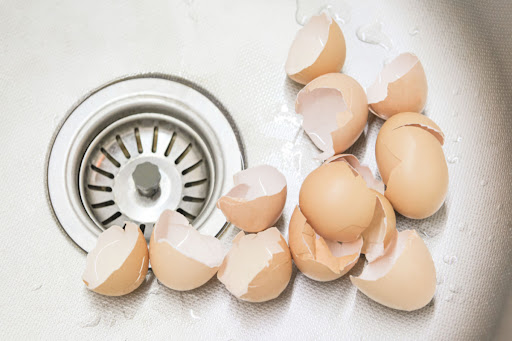
Eggshells

If you think pouring coffee grounds in your sink is bad, imagine putting your whole morning breakfast down the drain. Eggshells are one of the items that can get stuck in grease and fat that you pour down your sink or damage your garbage disposal blades. Eggshell membrane may even get stuck on your disposal grinder, making it easier for other blockages to occur. 

Medication

Medication — similar to paint — won’t clog your pipes, but it can contaminate the water supply. In the worst-case scenario, your medicine can directly impact someone else’s water down the street, and they are also an environmental risk. Over-the-counter drugs can potentially leak into the groundwater in homes with septic tanks. Drugs may slip into rivers and lakes in homes connected to treatment plants, impacting marine life or floating further down into community water supply lines. 

Cooking Oil

First off, pouring cooking oil down your drain is illegal. The oil can harden deep within your kitchen sink, reducing the space your pipe has to process the other gunk that travels inside. Not only can it harm your pipes, but cooking oil can also have a major impact deeper in the sewage system. When it interacts with the other chemicals and cleaning products meant to decompose waste and oxidize pipes, they form a soapy substance called a fatberg. Over time, fatbergs can grow and take over pipes, resulting in major repair costs. 

Rice

While it might occasionally slip into your kitchen pipe, rice is another one of those things you should never put down your drains. Rice absorbs water, so while it’s in your pipe, those little rice grains expand and take over more of the line. Pour enough down the drain, and you can have a huge mess that takes up almost 3 or 4 times the amount of space that a regular grain would. Even cooked rice absorbs water, so don’t think you’re off the hook with that either.

Accidents Happen, so Turn to a Professional Drain Cleaning Company for Help! 

As much as you try to avoid them, sometimes these products accidentally fall into your drains. Kitchen drain catchers can sometimes raise and let rice slide in, or it may simply slip your mind to not throw the wipe down the toilet drain. Every homeowner deserves to have a company that’s got their back, and that’s why you should turn to Good News Plumbing & Drain Inc.

With our drain and sewer services for Glendora, CA, residents and homeowners won’t have to sweat accidental clogs. Contact us today and learn more about how and why our plumbing and drain specialists are right for you!